

Product
Real-time sortation parameter optimization that connects to your existing hardware and adapts to your parcel mix every 90 seconds.
Mid-size fulfillment centers running 15,000–80,000 parcels per shift hit throughput ceilings 20–35% below rated sorter capacity. The hardware is fine. The parameters are frozen.
When a sorter is commissioned, the MHE vendor tunes induction spacing and divert dwell times to the parcel mix at that moment. In most facilities, those parameters are never updated. Over two to three years, e-commerce box profiles shift, shipper mix changes, and peak-season parcel dimensions push further outside the original calibration envelope—but the sorter’s control system keeps running the 2018 rule set.
The result is predictable: 8–15 mis-sorts per 10,000 parcels on high-variability days; $0.12–$0.31 per-parcel re-handle costs on reject-lane diversions; and 4–6 hours of manual supervisor effort to re-tune induction rates after any significant volume or belt-speed change. Facilities typically compensate by slowing the induction rate across the board—which trades throughput for mis-sort control and leaves 20–35% of rated capacity permanently on the table.
Sortwyre eliminates that trade-off. The optimization engine runs a constrained throughput model on a 90-second rolling window, adjusting parameters continuously to match current conditions while staying within the bounds the MHE vendor allows.
Every parameter adjustment is visible, explained, and operates within the bounds your MHE vendor allows.
Continuously adjust parcel induction gap targets without stopping the line.
Sortwyre monitors scanner read-rate trends, divert confirmation latency, and downstream jam sensor activity to dynamically widen or narrow induction gaps during live operation. When scanner read rates drop below threshold—indicating label or parcel orientation issues—the system widens the induction gap to buy time for the divert decision without slowing the belt. Conversely, during high-confidence scan periods with light parcel volumes, gaps tighten automatically to push throughput toward rated capacity. Operators see the current rate target and its reason in the dashboard at all times.
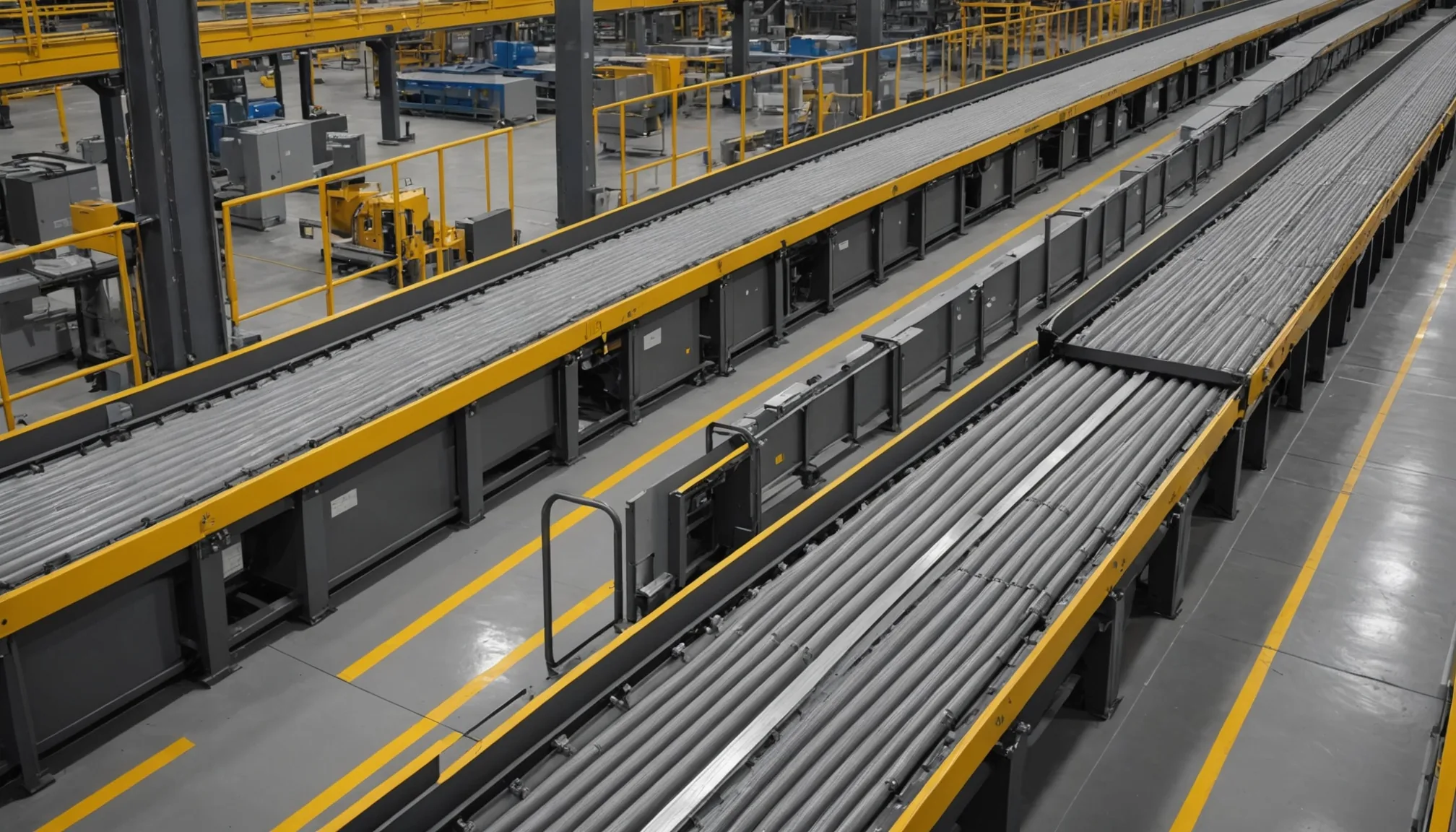
Minimize mis-sorts by calibrating divert dwell time to actual parcel dimensions in real time.
Legacy sortation systems use fixed divert dwell times configured at commissioning and rarely updated. Sortwyre reads the dimensioner output for each parcel and calculates the minimum safe dwell time for that specific parcel’s footprint before the divert arm resets. For oversized or irregular parcels, dwell extends; for small envelopes, it shortens. The result is a higher effective throughput rate on mixed-parcel days without the mis-sort spike that fixed dwell times produce when parcel mix shifts toward larger items during peak hours.
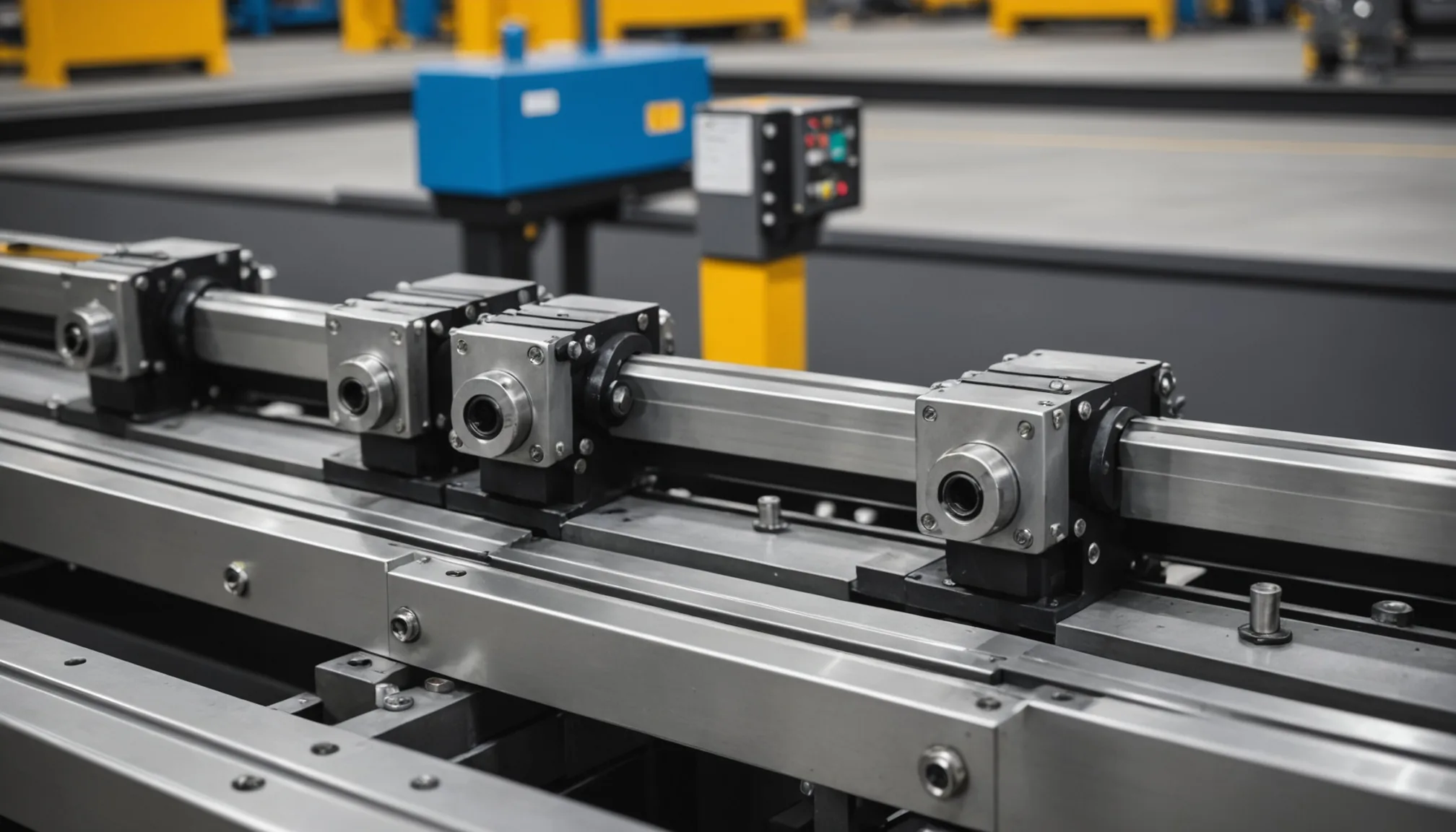
Surface belt and motor degradation signals before they cause unplanned downtime.
Sortwyre ingests motor current draw and belt tension readings from accessible sensor taps alongside the standard PLC event log stream. Statistical process control models flag anomalous deviations in current or tension trends that precede belt slippage events or motor overheating by 2–6 hours in validated deployments. Operations supervisors receive a push alert with the affected zone and recommended inspection window, enabling maintenance to intervene during a planned break rather than during peak throughput. Early warning events are logged with timestamps for maintenance record integration.

Compare actual throughput against rated and historical shift performance without manual report assembly.
At the end of each shift, Sortwyre generates a benchmark summary comparing actual parcels per hour against the site’s rated capacity, the prior 30-shift rolling average, and the best-performing comparable shift in the last 90 days. The summary breaks down throughput by zone and hour so operations managers can identify whether shortfalls concentrated at a specific induction point or divert bank. Reports export to PDF for shift handover and can push to Manhattan WMS or SAP EWM for integration with the site’s existing reporting workflow.

Alert the operations team when incoming parcel mix drifts outside the calibrated parameter range.
When the inbound parcel mix shifts significantly—for example, a sudden increase in large flat-rate boxes from a single shipper—Sortwyre detects the distribution shift within 15 minutes and alerts the supervisor with a recommended induction rate adjustment. This prevents the common failure mode where a mix change from an unannounced shipper campaign pushes the sorter into a high-reject state for 45–60 minutes before a supervisor manually intervenes. The alert includes the mix shift profile and the specific parameter adjustment Sortwyre is applying automatically.

Post shift-level scan and sort confirmation data directly to Manhattan WMS or HighJump.
Sortwyre assembles a structured reconciliation record at shift close containing per-parcel scan confirmation, divert destination, and exception flags for any parcels that cycled through a reject lane. This record posts automatically to the operator’s WMS via the Manhattan REST API or HighJump integration layer, eliminating the manual data-entry step currently required to reconcile sorter confirmation against WMS expected-sort data. Exception packages are flagged in the export with the sensor event that triggered the reject, supporting downstream investigation without pulling PLC logs manually.

Sortwyre works with the systems you already have deployed. No middleware layer required.
No cloud dependency for the real-time loop. Connect, baseline, optimize, report.
Direct connection to your sorter PLC via OPC-UA or Modbus TCP. No cloud relay required for the real-time optimization loop. Sortwyre reads belt tension sensors, motor current draw, and PLC event logs directly over your facility LAN, ensuring sub-100ms signal latency to the control layer.
Sortwyre reads 30 days of PLC event logs to establish your facility’s throughput baseline and current parameter configuration. Parcel mix inputs — size distribution, weight range, and barcode scan-read rates — are used to model constrained throughput capacity and identify the gap between rated and actual output.
Every 90 seconds, updated induction rate and divert timing parameters are pushed back to the sorter PLC based on current parcel mix and equipment health signals. The constrained throughput model accounts for belt tension trends and motor current draw to keep parameters inside safe operating bounds while maximizing parcel-per-hour output.
Shift-level performance logs post to Sortwyre’s dashboard and export automatically to Manhattan WMS or SAP EWM for operations review.
Sortwyre is designed for a specific operational profile. Here is what fits, and what does not.